
Tape and Reel FAQs: Everything You Need to Know
The global electronics market continues to expand rapidly, and with that growth comes an increased demand for precision packaging of surface mount components. Efficient packaging is no longer optional—it directly impacts assembly speed, accuracy, yield, and supply-chain reliability.
That is where tape and reel packaging becomes essential.
This FAQ explains how tape and reel works, the standards behind it, and why companies across automotive, medical, aerospace, industrial, and consumer electronics rely on ProEx for high-precision tape and reel services.
Q: What Is Tape and Reel Packaging?
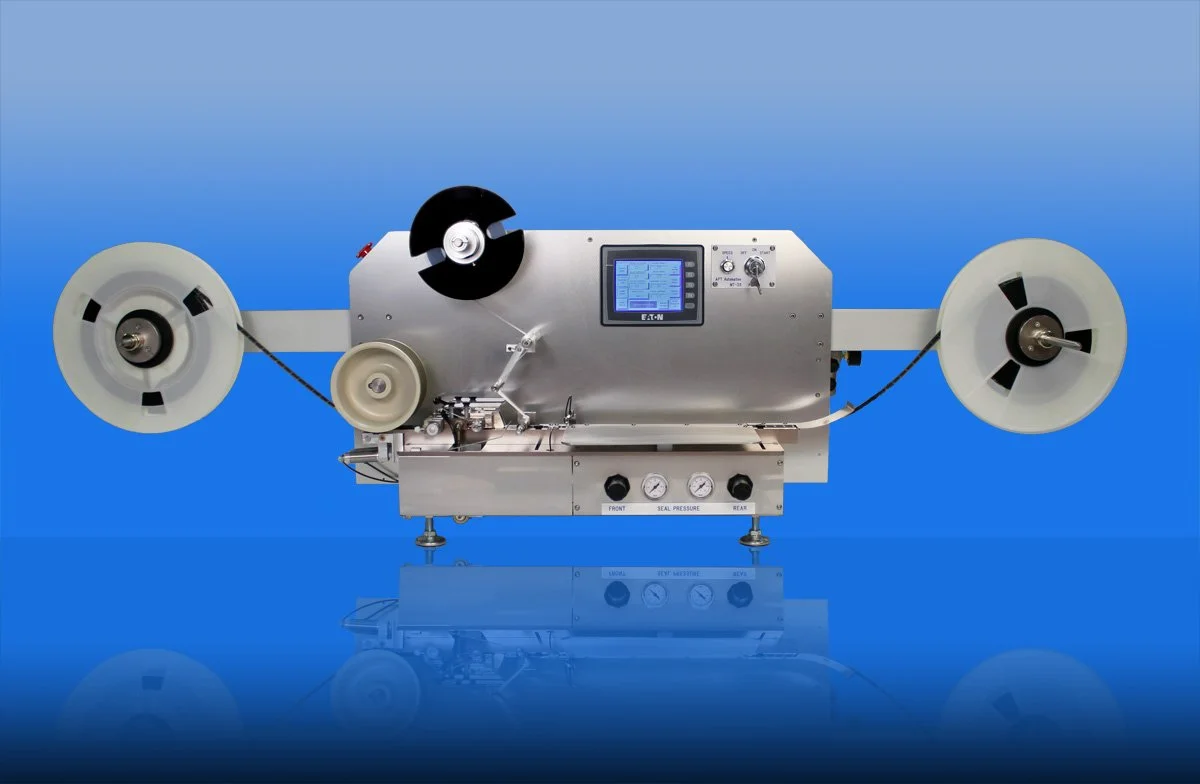
Tape and reel is a method of packaging electronic components into precision-formed pockets in a continuous carrier tape. The components are sealed with cover tape and wound onto a reel for automated delivery into SMT pick-and-place equipment.
This packaging method allows components to be:
Fed directly into automated assembly equipment
Protected from physical damage and ESD exposure
Oriented correctly for high-speed placement
Shipped and stored safely with minimal handling
The result is faster assembly, fewer placement errors, and improved manufacturing throughput.
Q: How Does Tape and Reel Work in Manufacturing?
Tape and reel is designed specifically for automated assembly environments.
As the reel feeds into pick-and-place machines:
The cover tape is peeled back in a controlled manner
Components remain correctly oriented in the pocket
Each part is presented in the exact position required for robotic placement
This consistency is what allows modern SMT lines to run at extremely high speeds with remarkable accuracy.
Q: What Reel Sizes Are Standard?
Industry-standard reel sizes include:
7-inch reels – typically used for smaller quantities and smaller components
13-inch reels – the most common size for production volumes
15-inch reels – used for high-volume runs and larger components
ProEx also supports custom reel configurations for unique customer requirements.
Q: What Types of Components Use Tape and Reel?
Tape and reel is used for nearly all surface mount devices (SMDs), including:
Integrated Circuits (ICs)
Capacitors and resistors
LEDs and sensors
Connectors and small mechanical components
Medical, automotive, aerospace, and industrial electronics components
Any component destined for automated SMT assembly benefits from proper tape and reel packaging.
Q: What Standards Govern Tape and Reel Packaging?
All professional tape and reel services must comply with:
EIA-481 (Electronic Industries Alliance standard for carrier tape)
JEDEC handling and packaging guidelines
These standards define:
Pocket dimensions and tolerances
Component orientation in the tape
Cover tape requirements
Reel dimensions and labeling
At ProEx, every job is built to these standards to ensure compatibility with your assembly equipment.
Q: What Materials Are Used for Carrier Tape?
Carrier tape material is selected based on the size, weight, and fragility of the component.
Paper Carrier Tape
Ideal for small passive components (resistors, capacitors)
Cost-effective for high volumes
Suitable where minimal protection is required
Polystyrene (PS)
Moderate protection
Common for many ICs and thicker components
Affordable and durable
Polycarbonate (PC)
Highest level of protection
Used for delicate, small, or high-value components
Excellent pocket definition for precision feeding
ProEx selects the optimal material based on your specific component and application.
Q: How Does ProEx Ensure Quality During Tape and Reel?
This is where ProEx differentiates from typical tape and reel providers.
Every tape and reel order at ProEx includes:
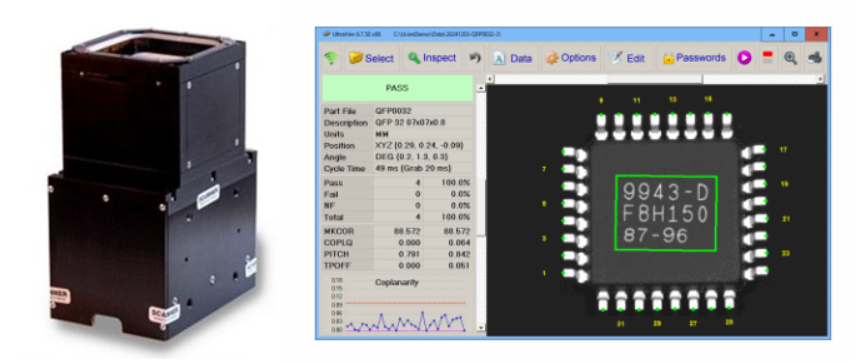
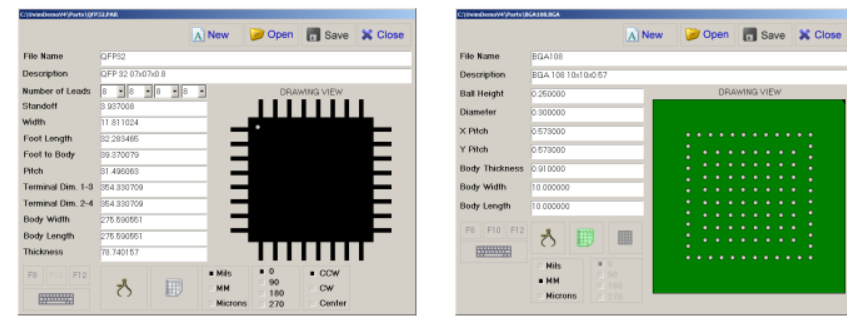
Automated 2D and 3D optical inspection of components before taping
Verification of orientation and pocket fit
Controlled ESD environment
Compliance with EIA-481 and JEDEC standards
Inspection reporting available to customers
This prevents common industry issues such as flipped parts, misalignment, or damaged components reaching your SMT line.
Q: Why Should You Work With ProEx for Tape and Reel?
ProEx is not simply a tape and reel house. We are a value-added semiconductor services provider.
Customers choose ProEx because we offer:
Tape and reel combined with IC device programming
Serialized programming and traceability
Laser marking and labeling
Custom tooling development for unique components
Fast turn times (typically three days or less) with rush options available
Secure handling for medical, automotive, aerospace, and ITAR customers
Most importantly, ProEx delivers components ready to go directly to your SMT line.
Key Takeaways
Tape and reel enables high-speed, high-accuracy SMT assembly.
Packaging must comply with EIA-481 and JEDEC standards.
Carrier tape material matters for component protection and feeding accuracy.
ProEx combines inspection, precision taping, and value-added services in one process.
Ready to Get Started?
ProEx provides some of the most precise, standards-compliant tape and reel services in the United States. With advanced inspection systems, fast turnaround, and integrated programming services, we simplify your supply chain and improve your manufacturing efficiency.
Request a quote today and experience the ProEx difference.
30 June 2022
